
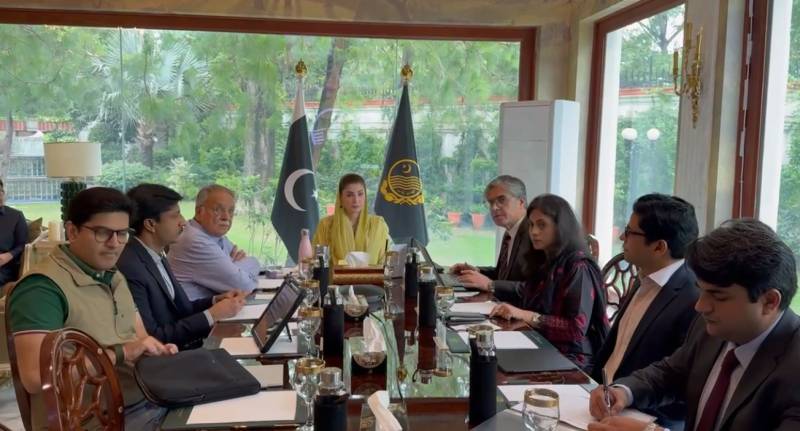
Over the past year, Punjab has entered what many observers describe as a new phase of governance — one in which policy commitments are increasingly translating into visible change on the ground. Under the leadership of Chief Minister Maryam Nawaz Sharif, the provincial government has pursued a wide-ranging development agenda focused on infrastructure, human capital, social welfare, public health, and institutional reform.
While many initiatives were announced early in the government’s tenure, the past year has seen several of these projects begin to materialise. New public transport systems are appearing on city roads, social protection programmes are reaching vulnerable households, specialised healthcare facilities are being developed, and large-scale skills development initiatives are preparing young people for emerging industries.
Taken together, these efforts reflect a strategy built around two parallel objectives: strengthening essential public services while investing in long-term economic capacity.
Investing in human capital
Punjab’s development strategy places strong emphasis on human development — particularly education, skills training, and youth employment.
One of the most ambitious initiatives in this area has been the Chief Minister’s Skills Development Programme, designed to equip thousands of young Pakistanis with modern technical skills. Punjab has established a new Skills Development and Entrepreneurship Department to train students in high-demand fields such as construction, manufacturing, automotive, energy, information technology, hospitality, and personal services.
The initiative is intended not only to expand employment opportunities within Pakistan but also to prepare youth for participation in the global digital economy. Graduates receive internationally recognised certifications from leading technology companies, significantly improving their prospects in both domestic and overseas job markets.
A notable addition to Punjab’s education landscape has been the establishment of Autism Schools and Centres of Excellence. These institutions provide specialised education and early intervention for children on the autism spectrum, combining classroom instruction with speech, behavioural, and occupational therapy. By integrating specialised care with structured education, the centres aim to ensure that children with autism receive the support necessary to develop communication skills and participate more fully in society.
Parallel reforms are also taking place within Punjab’s broader education system. The government has expanded the Danish School network, which provides high-quality residential education to talented students from disadvantaged backgrounds. New campuses are being established in underserved districts, while facilities at existing schools continue to be upgraded.
The province has also introduced nutrition programmes in thousands of public schools to combat childhood malnutrition and improve attendance. These school meal initiatives provide milk and other food items to students in economically vulnerable districts.
Collectively, these investments reflect a recognition that sustainable economic growth depends fundamentally on an educated, skilled, and healthy population.
Infrastructure and urban mobility
Infrastructure development has been another major pillar of the Punjab government’s agenda.
The province has launched a large-scale road rehabilitation campaign aimed at improving connectivity between cities, districts, and rural communities. Hundreds of road projects have been initiated under the “Sarkein Bahaal – Punjab Khushhaal” programme, which focuses on repairing damaged roads and upgrading key transport corridors.
Punjab’s Green Bus initiative marked an important step toward modernising urban transport. The programme will deploy 1,500 electric buses across major cities, with the first fleets already introduced in Lahore, Wazirabad, Muzaffargarh, Dera Ghazi Khan, Sahiwal, Sargodha, Mianwali, and further expansion is underway. Designed for accessibility and sustainability, the buses carry around 80 passengers and are equipped with modern features such as GPS tracking, CCTV monitoring and wheelchair access.
The government has simultaneously begun work on the charging infrastructure needed to support the new fleet. Looking ahead, large-scale transit projects — including new mass transit corridors and underground rail systems — are also being considered as part of Punjab’s long-term urban planning strategy.
Punjab has also moved decisively to expand access to clean drinking water and modern sanitation infrastructure. Under a major provincial initiative, modern water filtration and treatment plants have been installed in 16 districts, including surface water schemes at Dharabi, Mairwal, and Phalina dams, with the first phase expected to improve safe water access for more than 29 million people. In addition, the government approved the installation of approximately 960 modern water filtration units province‑wide, ensuring that clean drinking water reaches hundreds of rural communities.
Parallel upgrades of sewerage networks and wastewater treatment plants are underway to improve sanitation in smaller cities and towns, with thousands of kilometres of drainage lines being modernised.
Environmental stewardship
Environmental protection has also emerged as an important policy priority for the Punjab government, particularly in response to the recurring challenge of winter smog in major urban centres.
Over the past year, the provincial administration launched an extensive anti-smog campaign combining regulatory enforcement with structural reforms. Industrial units were subjected to stricter emissions monitoring, while brick kilns were required to adopt environmentally friendly zig-zag technology, significantly reducing particulate emissions.
Construction regulations were also tightened, with dust-control measures introduced for large development projects. Authorities increased inspections of industrial zones and imposed penalties on facilities found violating environmental standards.
Transport reforms have played a complementary role in the anti-smog strategy. The introduction of electric Green Buses in urban centres represents part of a broader effort to reduce vehicular emissions — one of the major contributors to air pollution in Punjab’s cities.
While smog remains a complex challenge influenced by multiple regional factors, these measures represent a concerted attempt to move Punjab toward cleaner air and more sustainable urban development.
In parallel, the government has promoted rainwater harvesting and groundwater recharge projects across the province, ensuring that new buildings capture and reuse rainwater while large-scale recharge sites help replenish underground aquifers. These measures complement urban greening and the Green Bus initiative in reducing environmental stress and improving the sustainability of Punjab’s cities.
Strengthening healthcare services
Punjab’s health sector has seen significant expansion over the past year, with new facilities and service delivery models aimed at improving access to care across the province.
Among the most notable projects is the Nawaz Sharif Cancer Institute in Lahore, which is being developed as a major public-sector cancer treatment facility. Once completed, the hospital will provide advanced oncology services to thousands of patients who currently face limited treatment options.
The government has focused on strengthening healthcare services at the district level. Cardiac catheterisation laboratories (Cath Labs) are being established and upgraded in several public hospitals, enabling patients to receive life-saving cardiac procedures closer to home rather than travelling to major cities.
Significant efforts have also been directed toward improving primary healthcare infrastructure. Basic Health Units (BHUs), Tehsil Headquarters Hospitals (THQs), and District Headquarters Hospitals (DHQs) are being upgraded across the province to improve diagnostic capabilities, staffing, and patient facilities.
Programmes providing free medicines at public hospitals have been expanded, helping reduce the financial burden of treatment on lower-income households. Clinics on Wheels and field hospitals have been deployed in several districts, providing diagnostic tests, maternal healthcare, vaccinations, and emergency services in areas where permanent healthcare facilities are limited.
The Punjab government is establishing a state-of-the-art Medical City in Lahore, modelled after international, high-tech healthcare hubs, and will provide high-quality modern medical facilities to the people of Punjab.
Taken together, these initiatives represent an effort to address longstanding disparities in access to healthcare by strengthening both hospital infrastructure and community-based medical services.
Social welfare and inclusive development
Social protection programmes have also expanded during the past year, with several initiatives aimed at supporting vulnerable populations.
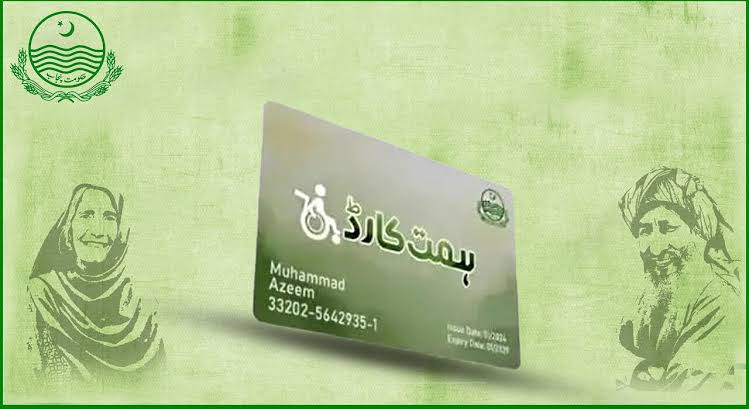
One such programme is the Himmat Card, which provides financial assistance to persons with disabilities who are unable to work. Through this initiative, eligible individuals receive regular cash support to help meet basic needs.
The government has also launched programmes to distribute assistive devices such as wheelchairs, hearing aids, and prosthetic limbs to individuals with disabilities, improving mobility and independence for thousands of beneficiaries.
Women’s economic empowerment has been another area of focus. Training programmes and entrepreneurship initiatives are being organised to support women entering small businesses and digital commerce.
In addition, the provincial government has introduced large-scale Ramadan relief initiatives to assist low-income families during the holy month. These programmes include financial support packages and community kitchens providing free meals to those in need.
While such welfare programmes address immediate economic challenges, policymakers emphasise that they are designed to complement broader economic reforms and employment initiatives.
Institutional reform and regulatory oversight
Beyond development projects, the Punjab government has also undertaken important institutional reforms.
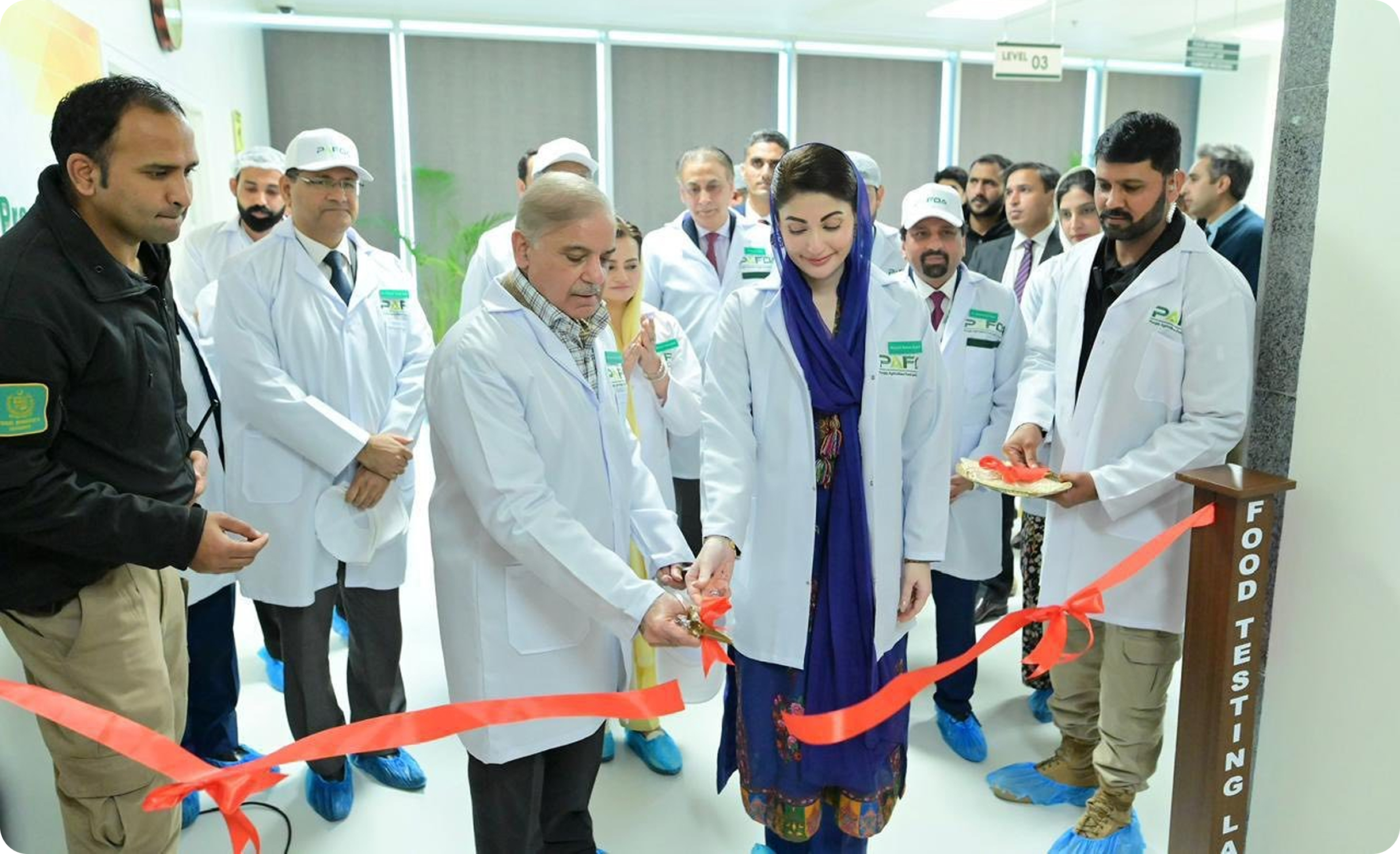
A major step in this direction has been the creation of the Punjab Agriculture, Food and Drug Authority (PAFDA). The new authority has been established to strengthen regulatory oversight of food safety, medicines, and agricultural inputs.
Previously, responsibility for these areas was divided among multiple departments, often leading to gaps in enforcement. PAFDA consolidates these functions within a single regulatory body, enabling more effective monitoring and testing of products available in the market.
The authority is well on its way to developing modern laboratories, expanding inspection systems, and introducing digital tracking mechanisms to combat adulteration and counterfeit products.
In a province where food safety and substandard medicines have long been public concerns, the establishment of PAFDA represents a significant step toward improving consumer protection and public health.
Law enforcement and public safety
Public safety reforms have also featured prominently in the government’s agenda.
Punjab Police have modernised operations through body cameras, digital reporting systems, and expanded Safe City surveillance networks, while specialised units such as the Counter Terrorism Department (CTD) and Crime and Criminals Department (CCD) have been strengthened to prevent terrorism and tackle organised crime more effectively.
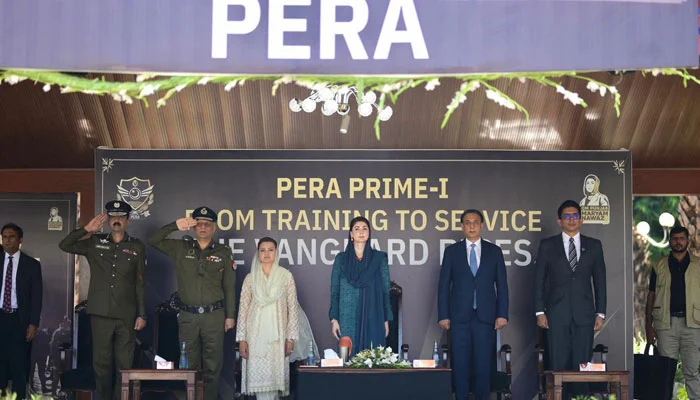
Traffic management has also been prioritised, with stricter enforcement of road safety regulations leading to improvements in helmet compliance and reductions in certain categories of accidents.
Complementing technological upgrades, training programmes emphasise community policing and respectful engagement with citizens, aiming to build safer, more responsive law enforcement across the province.
Cultural revival
Punjab also witnessed a renewed emphasis on cultural revival and heritage preservation during the year. The successful execution of Basant this year, held without major incidents, not only revived Lahore’s festive spirit but also provided a boost to local businesses across the city.
The Punjab government has also undertaken a series of cultural and heritage initiatives under the leadership of Chief Minister Maryam Nawaz. Historic sites, including the Sikh-era Hammam, Athdara Pavilion, and Loh Temple at Lahore Fort, were restored and reopened, while the Multan Clock Tower and other provincial landmarks were rehabilitated as civic heritage sites. Museums and galleries, such as the Bhagat Singh Gallery at Poonch House and expanded exhibits at the Harappa Museum, enhanced public access to history and culture.

Urban beautification projects, including canal landscaping, pedestrian-friendly streets, redesigned vendor carts, and Punjabi-language signage on public boards, brought heritage and aesthetics into daily city life. Inclusive celebrations of Christmas further reinforced the government’s emphasis on cultural revival, diversity, and community engagement.
A province in transition
Punjab’s development agenda over the past year reflects an attempt to combine immediate welfare relief with long-term structural reforms.
For millions of citizens across Punjab — whether students receiving better educational opportunities, commuters benefiting from modern public transport, or families accessing improved healthcare services — these changes are beginning to reshape everyday life across the province.

The writer is a SUN (Scaling Up Nutrition) UN Global Champion and a dairy value chain professional.